
The 2026 PARennial Cup Is Here
The 2026 PARennial Cup opened on March 1, 2026 with a 23-event regular season, 26 registered players, and the top 16 advancing to playoffs on November 1.


The 2026 PARennial Cup opened on March 1, 2026 with a 23-event regular season, 26 registered players, and the top 16 advancing to playoffs on November 1.

If you are not sure what to play next, start with this shortlist of standout Trackman courses available at PARennial Golf, from St Andrews and Pebble Beach to Bethpage Black and Pinehurst No. 2.

The Trophy Room is PARennial Golf's hall of fame for season champions and major winners, starting with inaugural 2025 champion Austin Chu.

A practical guide to the 2026 PARennial Cup: season dates, tournament tiers, qualification rules, prize pools, and the top-16 playoff race.

PARennial competitions award both standings points and PARennial Rewards. Here is how prize pools, payouts, ties, and the Money List work.

Slope % Rise can tell you a lot about start line, roll, and pace. This draft explains what it means and how to use it during putting practice.

Slope % Side can tell you a lot about start line, roll, and pace. This draft explains what it means and how to use it during putting practice.

Break can tell you a lot about start line, roll, and pace. This draft explains what it means and how to use it during putting practice.

D Plane Tilt is one of the most useful launch monitor numbers once you know how to read it. This draft explains what it means and how golfers can use it during practice.

Elevation can tell you a lot about start line, roll, and pace. This draft explains what it means and how to use it during putting practice.

Low Point Side is one of the most useful launch monitor numbers once you know how to read it. This draft explains what it means and how golfers can use it during practice.

Flat Stimp can tell you a lot about start line, roll, and pace. This draft explains what it means and how to use it during putting practice.

Low Point Height is one of the most useful launch monitor numbers once you know how to read it. This draft explains what it means and how golfers can use it during practice.

Effective Stimp can tell you a lot about start line, roll, and pace. This draft explains what it means and how to use it during putting practice.

Max Height Distance is one of the most useful launch monitor numbers once you know how to read it. This draft explains what it means and how golfers can use it during practice.

Distance (Putting) can tell you a lot about start line, roll, and pace. This draft explains what it means and how to use it during putting practice.

Swing Radius is one of the most useful launch monitor numbers once you know how to read it. This draft explains what it means and how golfers can use it during practice.

Side (Putting) can tell you a lot about start line, roll, and pace. This draft explains what it means and how to use it during putting practice.

Side Total is one of the most useful launch monitor numbers once you know how to read it. This draft explains what it means and how golfers can use it during practice.

Entry Speed Distance can tell you a lot about start line, roll, and pace. This draft explains what it means and how to use it during putting practice.

Total is one of the most useful launch monitor numbers once you know how to read it. This draft explains what it means and how golfers can use it during practice.

Roll % can tell you a lot about start line, roll, and pace. This draft explains what it means and how to use it during putting practice.

Side is one of the most useful launch monitor numbers once you know how to read it. This draft explains what it means and how golfers can use it during practice.

Speed Drop can tell you a lot about start line, roll, and pace. This draft explains what it means and how to use it during putting practice.

Carry is one of the most useful launch monitor numbers once you know how to read it. This draft explains what it means and how golfers can use it during practice.

Roll Speed can tell you a lot about start line, roll, and pace. This draft explains what it means and how to use it during putting practice.

Landing Angle is one of the most useful launch monitor numbers once you know how to read it. This draft explains what it means and how golfers can use it during practice.

Skid Distance can tell you a lot about start line, roll, and pace. This draft explains what it means and how to use it during putting practice.

Curve is one of the most useful launch monitor numbers once you know how to read it. This draft explains what it means and how golfers can use it during practice.

Ball Speed (Putting) can tell you a lot about start line, roll, and pace. This draft explains what it means and how to use it during putting practice.

Height (Apex) is one of the most useful launch monitor numbers once you know how to read it. This draft explains what it means and how golfers can use it during practice.

Skid Type (Sliding) can tell you a lot about start line, roll, and pace. This draft explains what it means and how to use it during putting practice.

Spin Axis is one of the most useful launch monitor numbers once you know how to read it. This draft explains what it means and how golfers can use it during practice.

Bounces can tell you a lot about start line, roll, and pace. This draft explains what it means and how to use it during putting practice.

Launch Direction is one of the most useful launch monitor numbers once you know how to read it. This draft explains what it means and how golfers can use it during practice.

Launch Angle (Putting) can tell you a lot about start line, roll, and pace. This draft explains what it means and how to use it during putting practice.

Spin Rate is one of the most useful launch monitor numbers once you know how to read it. This draft explains what it means and how golfers can use it during practice.

Launch Direction (Putting) can tell you a lot about start line, roll, and pace. This draft explains what it means and how to use it during putting practice.

Launch Angle is one of the most useful launch monitor numbers once you know how to read it. This draft explains what it means and how golfers can use it during practice.

Attack Angle (Putting) can tell you a lot about start line, roll, and pace. This draft explains what it means and how to use it during putting practice.

Ball Speed is one of the most useful launch monitor numbers once you know how to read it. This draft explains what it means and how golfers can use it during practice.

Face to Path (Putting) can tell you a lot about start line, roll, and pace. This draft explains what it means and how to use it during putting practice.

Dynamic Lie is one of the most useful launch monitor numbers once you know how to read it. This draft explains what it means and how golfers can use it during practice.

Club Path (Putting) can tell you a lot about start line, roll, and pace. This draft explains what it means and how to use it during putting practice.

Impact Offset is one of the most useful launch monitor numbers once you know how to read it. This draft explains what it means and how golfers can use it during practice.

Face Angle (Putting) can tell you a lot about start line, roll, and pace. This draft explains what it means and how to use it during putting practice.

Impact Height is one of the most useful launch monitor numbers once you know how to read it. This draft explains what it means and how golfers can use it during practice.

Dynamic Lie (Putting) can tell you a lot about start line, roll, and pace. This draft explains what it means and how to use it during putting practice.

Low Point is one of the most useful launch monitor numbers once you know how to read it. This draft explains what it means and how golfers can use it during practice.

Tempo can tell you a lot about start line, roll, and pace. This draft explains what it means and how to use it during putting practice.

Swing Plane is one of the most useful launch monitor numbers once you know how to read it. This draft explains what it means and how golfers can use it during practice.

Forward Swing Time can tell you a lot about start line, roll, and pace. This draft explains what it means and how to use it during putting practice.

Spin Loft is one of the most useful launch monitor numbers once you know how to read it. This draft explains what it means and how golfers can use it during practice.

Stroke Length can tell you a lot about start line, roll, and pace. This draft explains what it means and how to use it during putting practice.

Dynamic Loft is one of the most useful launch monitor numbers once you know how to read it. This draft explains what it means and how golfers can use it during practice.

Backswing Time can tell you a lot about start line, roll, and pace. This draft explains what it means and how to use it during putting practice.

Attack Angle is one of the most useful launch monitor numbers once you know how to read it. This draft explains what it means and how golfers can use it during practice.

Club Speed (Putting) can tell you a lot about start line, roll, and pace. This draft explains what it means and how to use it during putting practice.

Club Speed is one of the most useful launch monitor numbers once you know how to read it. This draft explains what it means and how golfers can use it during practice.

Discover how to fully leverage your Unlimited Membership at PARennial Golf. From 24/7 access and Trackman practice to prime-time bookings and real-time bay management, this guide covers it all.

Discover how PARennial Golf’s flexible memberships, real-time bay availability, and smart bay management system offer fair play and seamless practice, ensuring you get the most out of your indoor golfing experience.

Checkout the latest updates to membership at PARennial Golf.

PARennial Golf launches its new Instructor Platform, offering personalized instruction from top PGA professionals including Matthew Brady and Andrew Godbold.

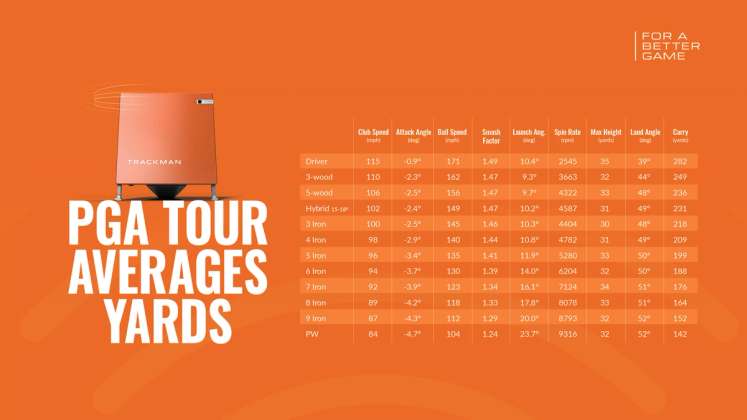
Use launch monitor data to practice with more purpose. This guide covers the key numbers to watch, how to set better goals, and how to build a simple feedback loop.

Ready to play at our West Loop facility? Here’s how to make your booking and navigate our unique entry process so you can jump right into the game on our Trackman simulators.

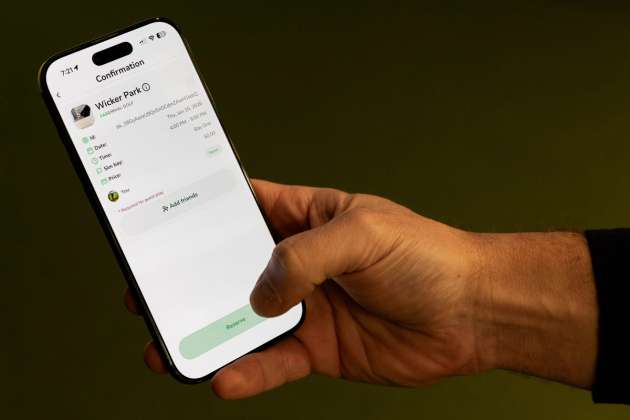
Booking your tee time at PARennial Golf’s Lincoln Park facility is quick and easy with our app-based system. Get step-by-step guidance on reserving your spot and accessing Chicago’s premier indoor golf experience.

Golf is better with friends! Here is everything you need to know about our guest policy.

Swing direction and club path are related, but they are not the same. Learn how the two numbers work together and how to use them to make sense of your ball flight.

Swing direction helps explain the broader direction your swing is working through impact. Learn how to read it, how it differs from club path, and how to use it in practice.

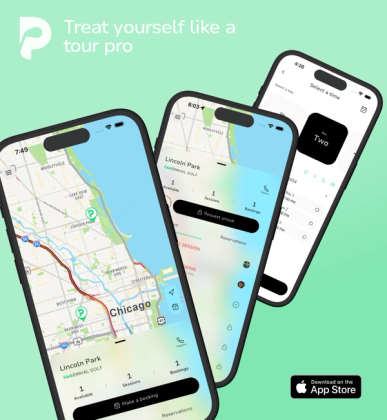
The PARennial Golf App is now available on Android!

Putting data can help explain start line, speed control, and roll. Learn which putting numbers matter most and how to use them to make practice more useful.

Smash factor shows how efficiently you turn swing speed into ball speed. Learn what strong numbers look like, why they matter, and how to use them in practice.

Face angle is one of the clearest ways to understand start direction. Learn how open, closed, and square face angles affect ball flight and how to practice with the number.

Face to path helps explain why the ball curves. Learn how to read the number, what common patterns look like, and how to use it to build more reliable shot shape.

Launch monitor data can feel overwhelming at first. This guide explains the swing and ball-flight numbers that matter most, how they work together, and how to use them during practice.

Club path helps explain curve, contact, and shot shape. Learn what it means, how to read it with face angle, and how to use it during practice at PARennial Golf.

Explore how PARennial Golf is redefining indoor golf in Chicago with real-time bay availability and a frictionless experience.

The PARennial Golf Android App Public Beta is (finally) here!